
 Australia
 Singapore
 India
India
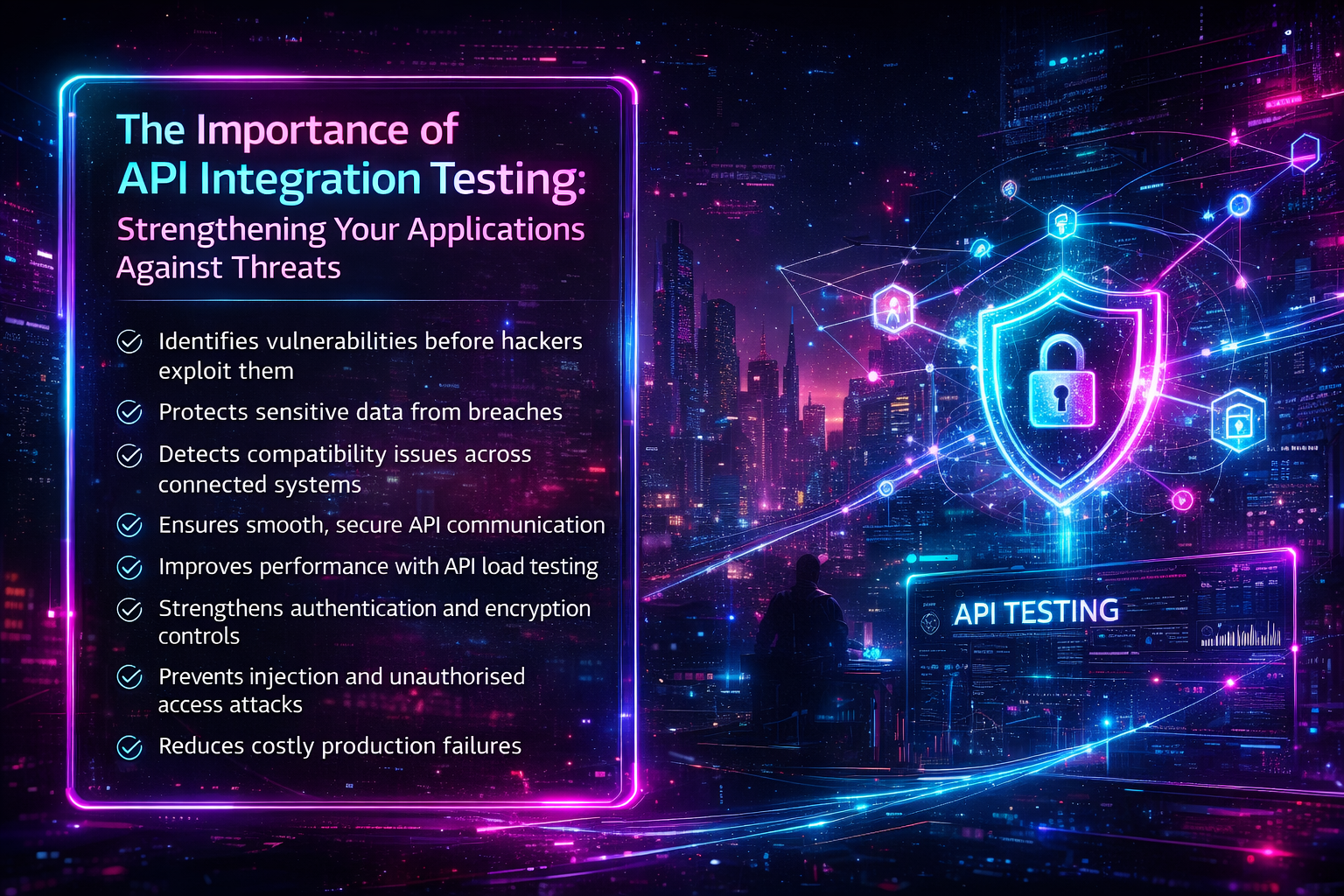
Modern applications depend heavily on APIs to function properly. These digital connections allow different software systems to communicate seamlessly. However, they also create potential vulnerabilities that hackers can exploit. Without proper testing, your application becomes an easy target for cyber threats. API testingservices help identify weaknesses before attackers do. This proactive approach saves businesses from costly security breaches and data loss.
Understanding API Security Risks
APIs act as gateways between different software components. When these gateways lack proper security measures, problems arise quickly. Hackers often target API endpoints because they provide direct access to sensitive data. Common threats include unauthorised access, data breaches, and injection attacks. Regular testing helps detect these vulnerabilities early in the development process. Security testing API protocols ensure your digital assets remain protected against evolving threats.
Why Integration Testing Matters
Testing individual components isn’t enough for modern application development. Real-world scenarios involve multiple systems working together simultaneously. Integration testing examines how these systems interact under various conditions. It reveals issues that only appear when components communicate with each other.
Key benefits include:
- Early detection of compatibility issues between different systems
- Improved data consistency across multiple platforms
- Enhanced user experience through smoother application performance
- Reduced production costs by catching bugs before deployment
Load Testing for Performance Assurance
Applications must handle varying levels of traffic without compromising security or speed. API load testing simulates real-world usage patterns to identify performance bottlenecks. This process reveals how systems behave under stress conditions. Testing helps determine maximum capacity before systems fail or become vulnerable.
Implementing Comprehensive Testing Strategies
Successful testing frameworks combine multiple approaches for complete coverage. Start with functional testing to verify that basic operations work correctly. Next, conduct API integration testing in Sydney standards to ensure proper system communication. Include security assessments to identify potential exploitation points throughout your application.
API load testing online platforms provide convenient access to powerful testing tools. These solutions offer scalability and flexibility for teams of any size. They enable continuous testing throughout the development lifecycle.
Best Practices for API Security
Implement authentication mechanisms to verify user identities before granting access. Use encryption protocols to protect data during transmission between systems. Regular security audits help maintain strong defences against emerging threats. API Integrated applications in Sydney require ongoing monitoring and maintenance for optimal protection.
Consider these essential practices:
- Apply rate limiting to prevent abuse of your endpoints
- Validate all input data to block malicious requests
- Maintain detailed logs for security analysis
- Update dependencies regularly to patch known vulnerabilities
Conclusion
Protecting your applications requires comprehensive testing strategies and constant vigilance. API security isn’t a one-time task but an ongoing commitment. Professional testing ensures your systems remain resilient against evolving threats. Don’t leave your applications vulnerable to preventable attacks.
Ready to strengthen your application security? Contact Adactin Group Pty Ltd today for expert guidance. Call us at 1300 232 286 or email [email protected] . Visit Adactin Group Pty Ltd to learn how we protect your digital infrastructure.
Frequently Asked Questions
1. What exactly is API integration testing?
It’s a testing method that verifies how different software components communicate with each other. It ensures systems exchange data correctly and handle errors appropriately.
2. How often should I conduct API security testing?
Test before every major release and whenever you modify API endpoints. Regular quarterly assessments help catch new vulnerabilities as they emerge.
3. Can automated tools replace manual API testing?
Automated tools handle repetitive tasks efficiently, but manual testing catches complex issues. The best approach combines both methods for comprehensive coverage.
4. What’s the difference between load testing and stress testing?
Load testing checks performance under expected conditions, whilst stress testing pushes systems beyond normal limits. Both reveal different types of potential problems.
5. How long does comprehensive API testing typically take?
Duration depends on application complexity and scope of testing required. Simple APIs might need days, whilst complex systems require weeks.
6. What are the most common API security vulnerabilities?
Broken authentication, data exposure, and injection flaws top the list. Missing encryption and improper access controls also create significant risks.
7. Do I need specialised tools for API testing?
Professional tools provide efficiency and accuracy, but basic testing uses standard software. Your testing requirements determine which tools suit your needs best.
8. Can API testing prevent all security breaches?
No testing guarantees complete protection, but thorough testing dramatically reduces risks. Combining testing with security best practices provides the strongest defence available.
9. What metrics should I track during API testing?
Monitor response times, error rates, throughput, and resource usage carefully. These performance indicators reveal system health and potential issues.
10. How does integration testing differ from unit testing?
Unit testing examines individual components in isolation, whilst integration testing verifies multiple components working together. Both serve different but equally important purposes.